Licensed & insured
AL #06957
Mon–Sat 8am–5pm
Licensed & insured
AL #06957
Mon–Sat 8am–5pm
Fans and dedicated circuits too.
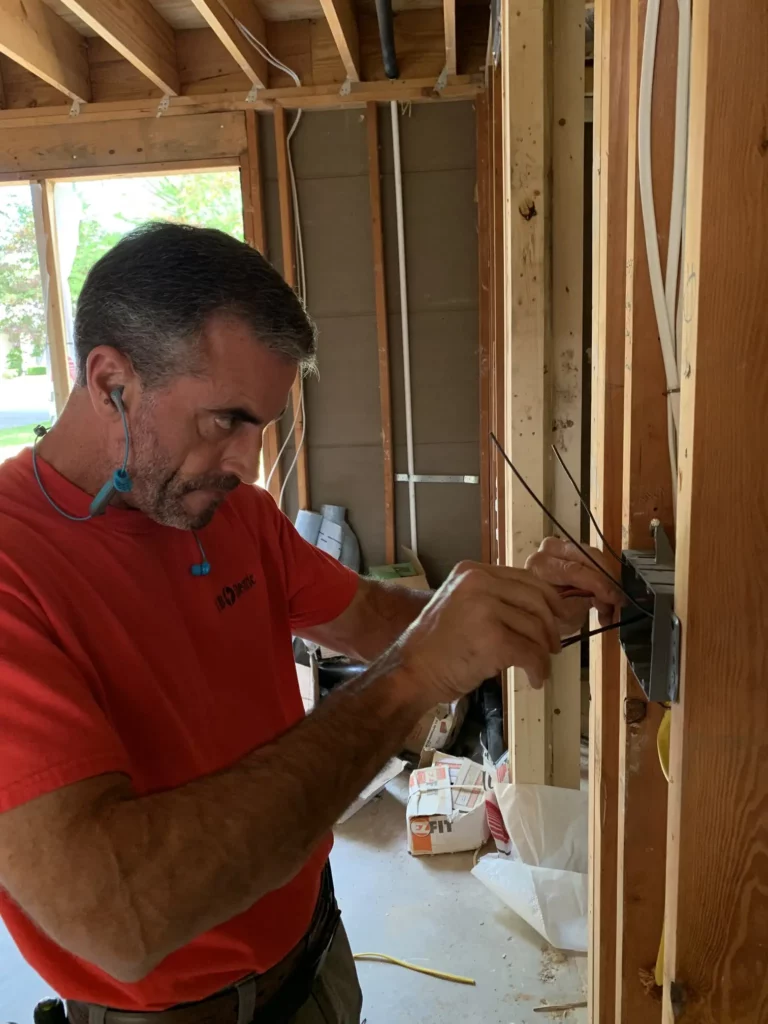
The small jobs, done properly. That mostly means terminating under screws rather than back-stabbing them and hoping.
If you have several things to sort out in one visit, they get priced together rather than each at full rate.
Kitchens, bathrooms, garages, crawl spaces, exterior and anywhere near water. Required by code, and the cheapest safety improvement in the house.
Arc-fault protection for bedroom and living-area circuits.
The real fix when the kitchen breaker trips every time two appliances run.
Including the three-prong to four-prong conversions that come up constantly when an appliance is replaced.
GFCI-protected, correctly bonded, with the disconnect at the required distance.
In-use covers, weather-resistant devices, properly sealed penetrations.
Including sorting out the ones that were wired wrong originally.
$150 labor. You supply the fan, or we buy it and bill it through at cost.
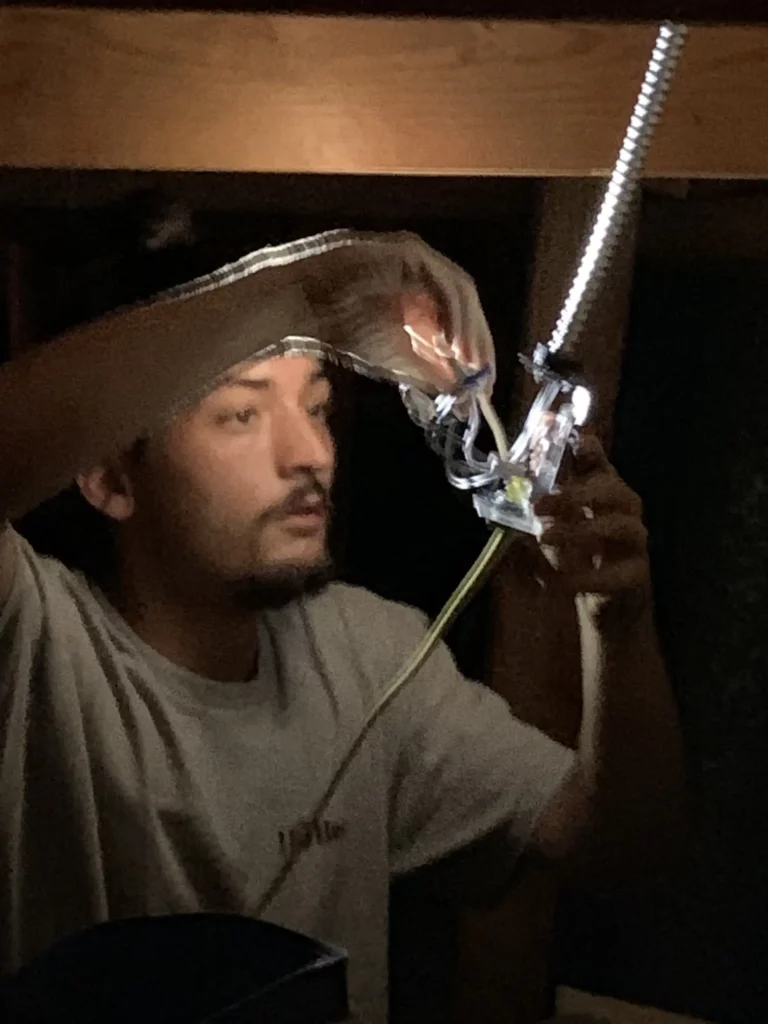
Most receptacles have two ways to terminate: a screw terminal, or a push-in hole on the back. The push-in is faster, which is why production builders used it on entire subdivisions.
It’s also a much smaller contact area, and it’s the single most common cause of the dead outlets and intermittent circuits we get called out for in houses built from the 1980s onward. We terminate under screws. It takes longer and it doesn’t fail.
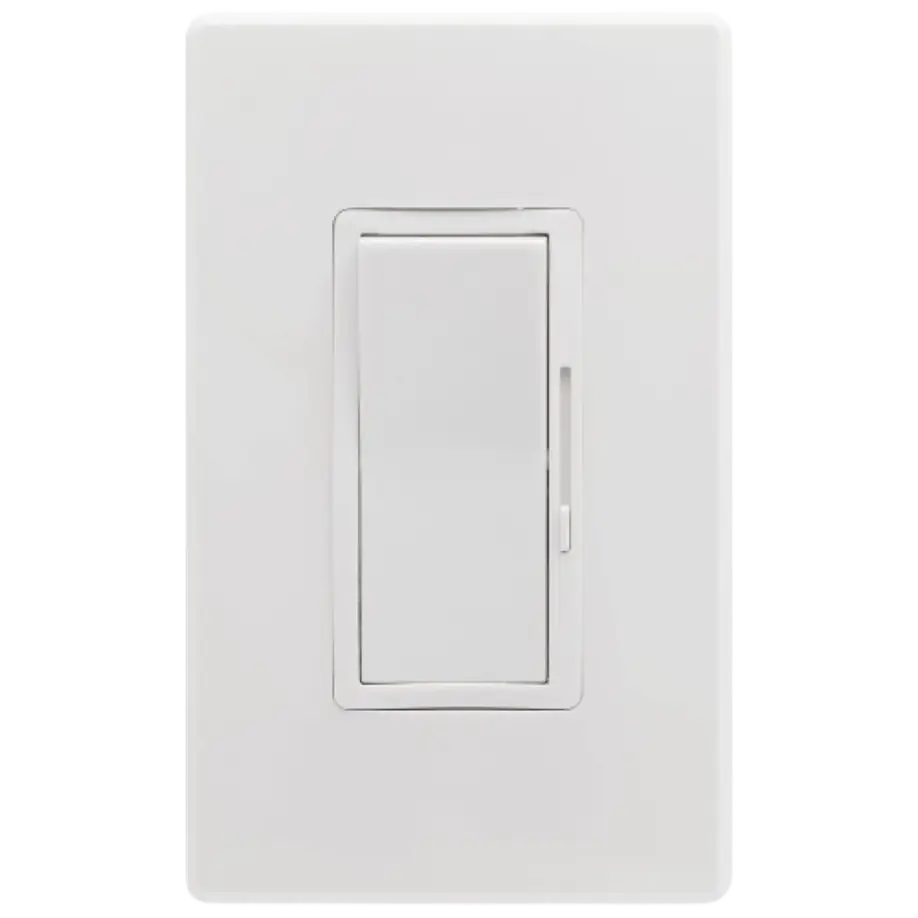
We’ll happily install smart switches and dimmers you’ve bought.
We’ll also tell you whether the box has a neutral, because a lot of them need one and older Mobile County boxes frequently don’t. Better to know before the box arrives.
Still not sure? Call (251) 550-9813, Monday to Saturday, 8 to 5.
It’s usually detecting genuine leakage rather than failing. Moisture in an exterior box is the most common cause here, especially after a storm. Sometimes it’s the GFCI itself, which does wear out. Either way, don’t bypass it.
Code applies at the time work is done, so you aren’t required to retrofit the whole house. But kitchens, bathrooms, garages and exteriors are where shocks actually happen, and it’s an inexpensive change. Most home inspectors will flag their absence.
Usually. What it costs depends almost entirely on access: an attic or crawl space route is straightforward, a two-story interior wall is not. We’ll look before quoting.
Common, and it’s a real change rather than an adapter job: the four-wire configuration separates the neutral and ground. Depending on the existing run, we either change the receptacle or pull a new circuit.