Licensed & insured
AL #06957
Mon–Sat 8am–5pm
Licensed & insured
AL #06957
Mon–Sat 8am–5pm
$1,000 for the circuit.
A Level 2 charger is a 240-volt appliance drawing more current than almost anything else in the house. The circuit matters more than the charger does.
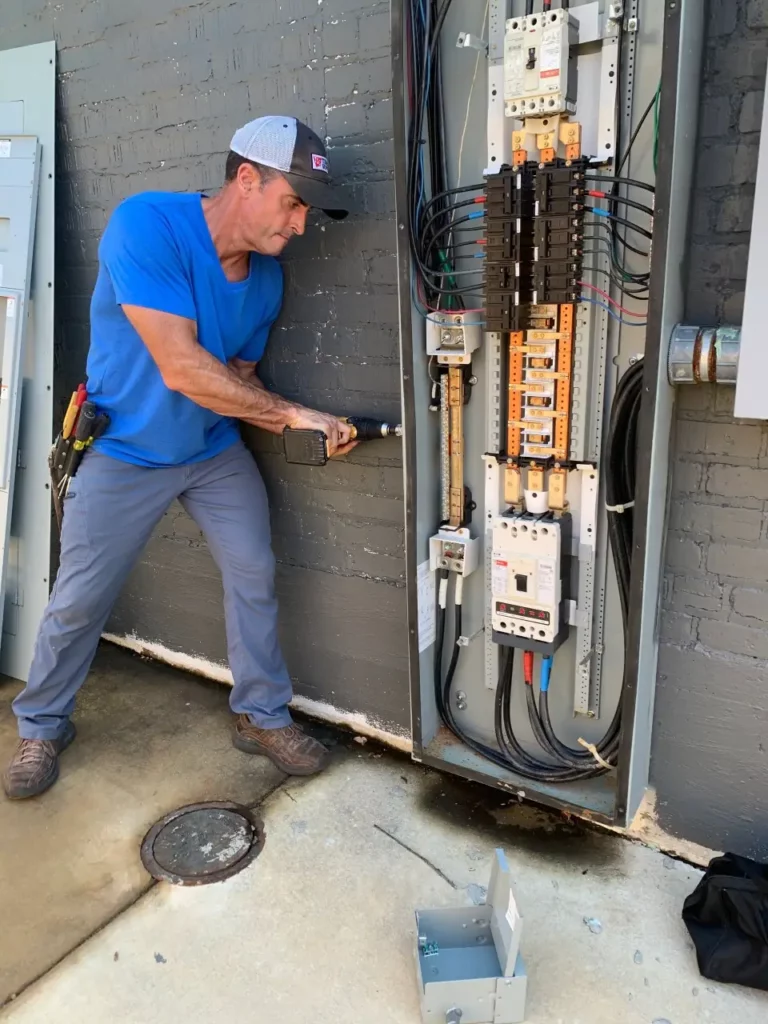
That’s the same price as an oven, dryer or A/C circuit, because electrically it’s much the same job.
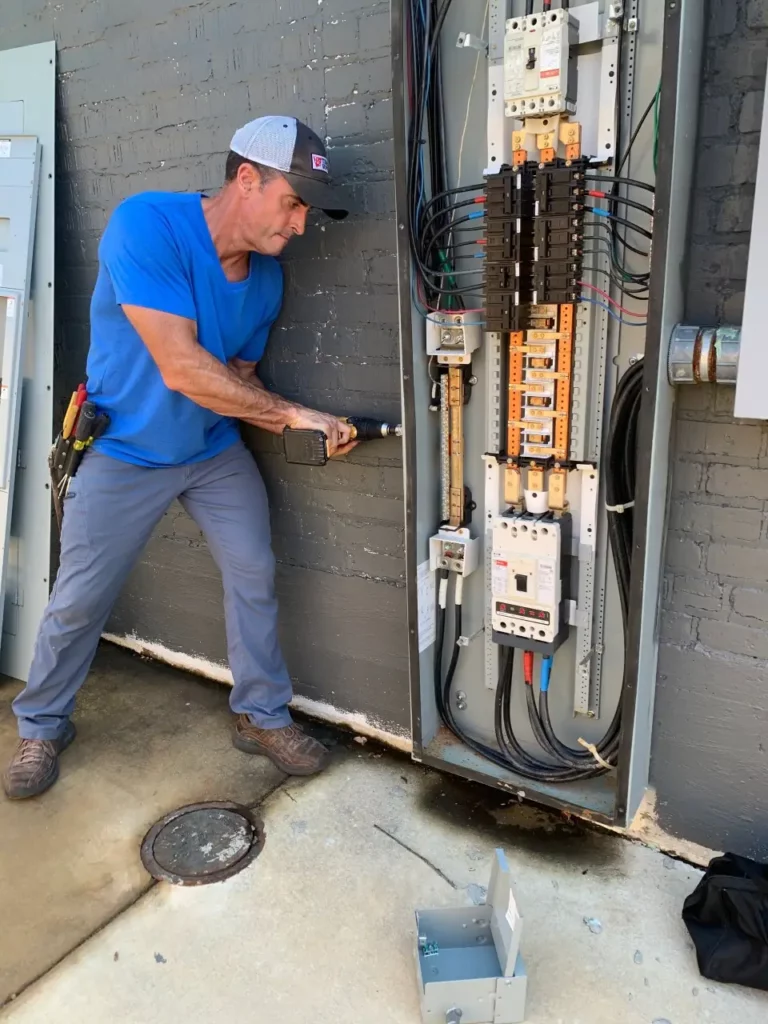
Before anything else, we do a load calculation. A Level 2 charger typically wants a 40 or 60-amp dedicated circuit, and on a 100-amp service that already runs central air, an electric range and a dryer, there may not be room.
That’s not a reason you can’t have one. Load management devices and smaller charge rates both solve it, but it needs to be known before you buy hardware.
Against your actual service size.
Sized to the charger, with the correct conductor gauge for the run length.
A NEMA 14-50 receptacle is flexible. Hardwiring is required above 48 amps and is more robust in a damp garage.
As required by current code.
Surface runs done squarely, not draped across the wall.
Which also matters if you’re claiming any utility or tax incentive.
Cable length and where your car’s charge port sits decide placement more than people expect.
We’d rather spend ten minutes working out where you actually park than mount the unit on the nearest convenient stud and leave you stretching a cable over the hood every night.
Worth planning for even if you only have one now.
Two chargers on one circuit with load sharing is straightforward if it’s designed in from the start, and awkward to retrofit.
Still not sure? Call (251) 550-9813, Monday to Saturday, 8 to 5.
Usually, but the load calculation decides it. Homes on 100-amp service with electric heat, a range and a dryer are the tight ones. Options include a lower charge rate, a load management device, or a service upgrade.
A NEMA 14-50 receptacle lets you unplug and take the unit if you move. Hardwiring is required above 48 amps and holds up better in a humid Gulf Coast garage. We’ll talk through which suits you.
Yes, and you want one. Beyond the code requirement, an unpermitted 60-amp circuit is an item on your home inspection when you sell, and it can complicate an insurance claim.
Yes, and that’s the usual way round: the $1,000 is the circuit, not the unit. Send us the model and we’ll confirm the circuit it needs before we schedule.
No. We don’t take deposits on any job. You pay when it’s done.